Use context you can explain
Choose company or role information that genuinely relates to your offer. Distinguish a verified fact from a possible need, and give the recipient room to tell you whether the topic is relevant.
B2B COLD EMAILINDONESIA
Your first email does not need to tell the whole company story. It needs to make a clear introduction, explain why you are reaching out, and offer a useful next step. SAB connects account research, writing, and follow-up around that conversation.
By SAB · Jakarta
Connecting marketing and sales since 2017.
WHAT YOUR BUSINESS NEEDS
Personalisation only helps when the message addresses something relevant to the recipient. A generic compliment, a long service list, and an unexplained meeting request leave that work to the reader. We help you build a message around one credible reason for contact, then plan follow-up that adds something useful.
Choose company or role information that genuinely relates to your offer. Distinguish a verified fact from a possible need, and give the recipient room to tell you whether the topic is relevant.
Explain the service in terms the recipient can understand, then choose a sensible next step. Avoid competing calls to action and a catalogue of links that make a simple introduction feel like homework.
A later message can clarify scope, share relevant work, or answer a likely question. Each needs a reason to exist, with clear handling for replies, delays, and requests to stop contact.
HOW WE WORK
We work with your team to agree on priorities, deliverables, and how to measure progress.
Identify the segment and buying role, then verify information connected to the offer. Record open questions so the email does not present assumptions as facts.
Combine a clear sender identity, a relevant reason for contact, and one request. Review the language and supporting evidence against the intended reader.
Decide what each follow-up adds and which events stop the sequence. Prepare responses for questions, refusals, referrals, and requests to reconnect later.
Review relevant interest, wrong-role replies, objections, and recurring questions. Use the conversation to improve the message while also checking data quality and sending conditions.
 SELECTED SAB WORK
Energy · B2B
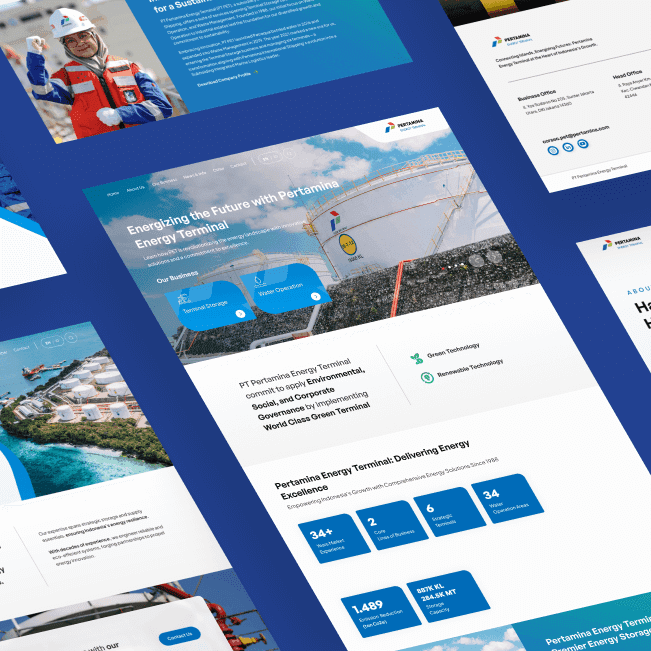
Cold email formed part of SAB’s work for Pertamina Energy Terminal, alongside website messaging, LinkedIn, SEM, and sales materials for international prospects. The work supported introductions and further business conversations. That relationship matters when writing outreach: a recipient may visit your website before replying, so the company profile and service pages should continue the explanation your email begins.
Explore SAB’s workExplore the project in our company profile, then talk to us about your own brief.
BEFORE WE TALK
Cold email begins a business conversation with a recipient selected for a specific reason. A newsletter usually updates an audience that has subscribed. The context and handling differ. Outreach needs clear sender identification, a relevant reason for contact, and a reliable process for respecting requests to stop.
Use the language that suits the recipient and buying context. Indonesian can make local communication more familiar; some business roles and sectors regularly work in English. Consider the audience’s own materials and terminology. The important test is whether the person can easily understand the offer and request.
There is no useful universal count. Start with the information that genuinely needs to be communicated and the reasons follow-up might help. Do not add messages simply to fill a sequence. Define stop conditions, including replies, poor fit, and requests for no further contact.
No. Providers, data quality, sending conditions, message relevance, and recipient decisions all affect results. Agree a realistic review process and check the sending setup. Good writing can make the offer understandable, but it cannot determine either an email provider’s decisions or a prospect’s buying priorities.
TELL US ABOUT YOUR BUSINESS
Clarify who you are contacting, why the topic matters, and what you want them to consider.